
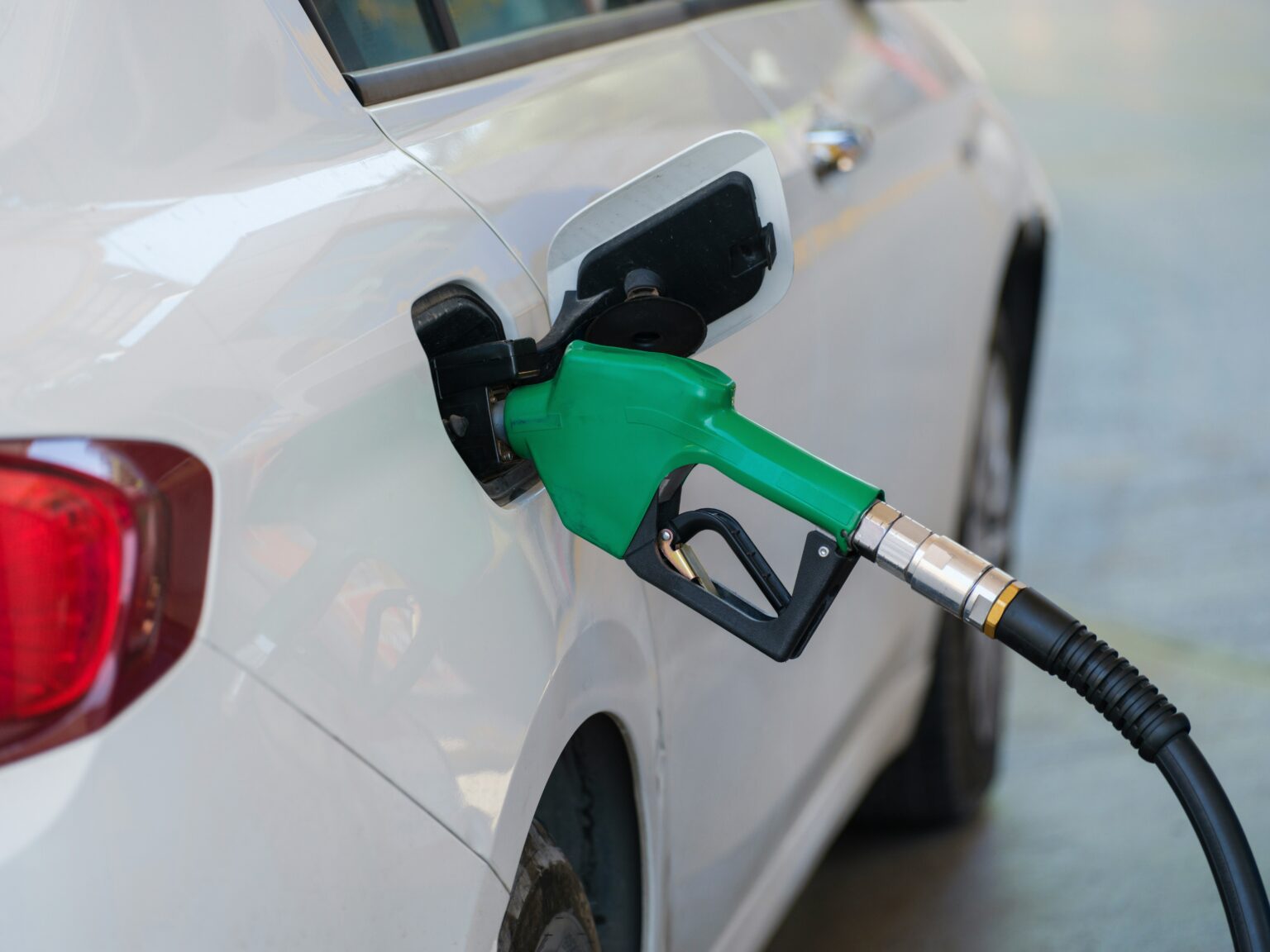
MANILA, Philippines — Motorists across the Philippines are facing another round of fuel price increases starting Tuesday, July 28, as oil companies are expected to implement higher prices for gasoline, diesel and kerosene.
Based on the latest fuel price adjustments released by the Department of Energy (DOE), the permitted price increases are:
- Gasoline: ₱6.80 per liter
- Diesel: ₱7.32 per liter
- Kerosene: ₱4.22 per liter
The adjustments will take effect from July 28 through August 3, 2026, subject to implementation by individual oil companies.
The latest increase is expected to put additional pressure on motorists and households already dealing with rising transportation and operating costs.
For private vehicle owners, the impact will depend on fuel consumption. A driver purchasing 40 liters of gasoline, for example, could pay an additional ₱272 if the full ₱6.80-per-liter increase is passed on to consumers.
Diesel users could face an even larger increase. A 40-liter purchase would cost an additional ₱292.80 based on the permitted ₱7.32-per-liter adjustment.
The impact could also extend beyond the pump. Higher diesel prices can increase transportation and logistics costs, potentially affecting the movement of goods and services and adding pressure to businesses that rely heavily on delivery vehicles, trucks and other diesel-powered equipment.
Public transportation operators and other fuel-dependent sectors may also face higher operating expenses as fuel costs rise.
The DOE’s latest announcement provides the permitted adjustments, while individual oil companies will determine and implement their corresponding price movements based on their respective pricing policies.
Motorists are advised to check fuel prices at their preferred stations before refueling and consider comparing prices among nearby gasoline stations.
The latest adjustment is also likely to draw attention from commuters, businesses and consumers because changes in fuel prices can have wider effects on transportation expenses and the prices of goods.
For many Filipino households, the cost of fuel remains closely linked to everyday expenses, from commuting to work and school to the delivery of food and other essential products.
With the new adjustments scheduled to take effect on July 28, motorists are now preparing for another week of higher fuel costs.