
A fragile ceasefire between the United States and Iran faced renewed strain this week after American forces intercepted Iranian drones headed toward the Strait of Hormuz and launched retaliatory strikes against Iranian surveillance sites, according to US military officials.
US Central Command said four Iranian attack drones were detected moving toward the strategic waterway on Friday. The military described the drones as an immediate threat to commercial shipping and regional maritime traffic, prompting US forces to shoot them down before they reached their intended area.
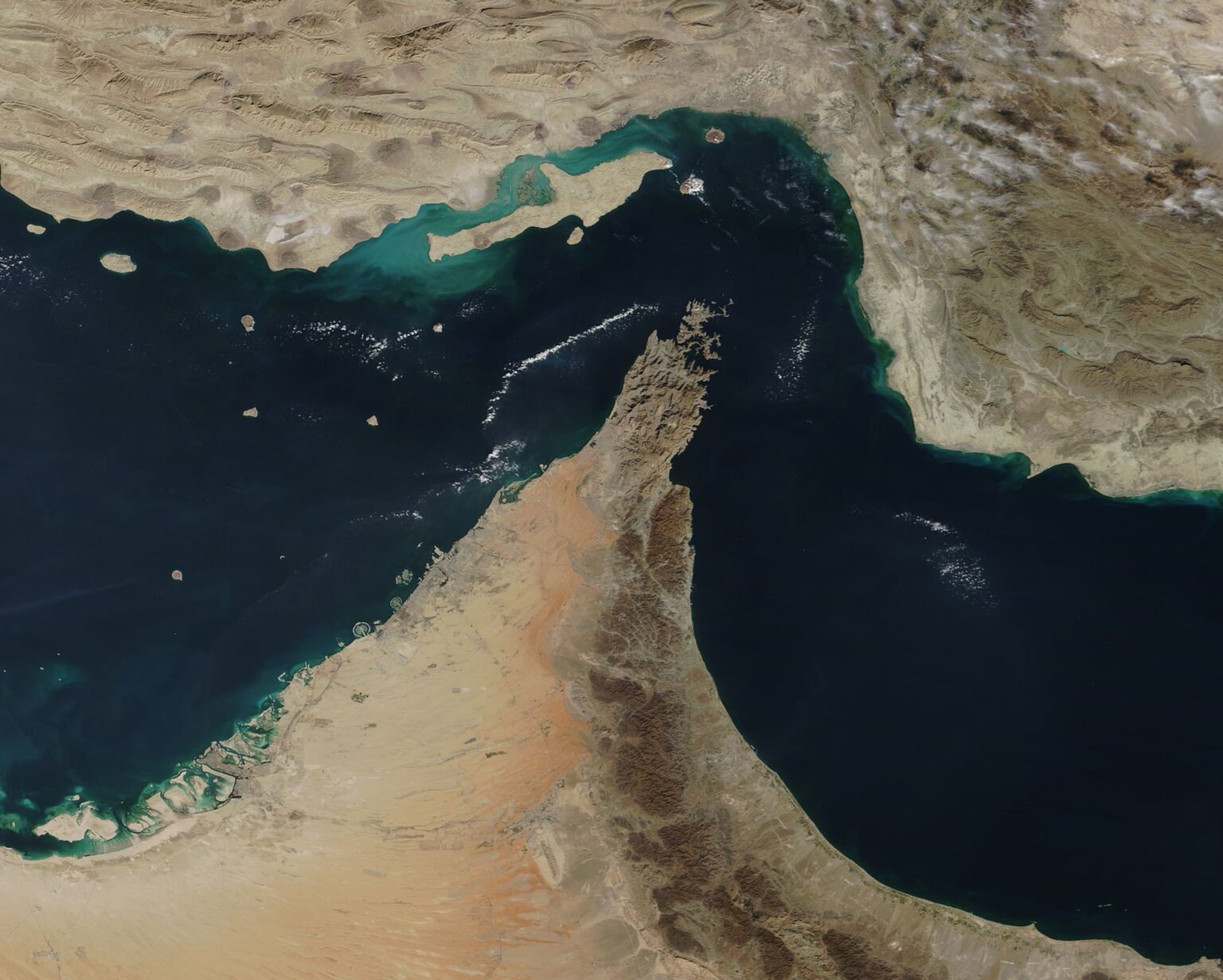
Following the interceptions, US forces struck Iranian coastal radar and surveillance installations in Goruk and on Qeshm Island, both located near the Strait of Hormuz. American officials said the action was intended to prevent additional attacks and protect maritime security in one of the world’s most critical energy corridors.
The latest confrontation represents another setback for diplomatic efforts aimed at extending a ceasefire that has been under increasing pressure from repeated military incidents across the Gulf region. Despite ongoing negotiations, both Washington and Tehran have accused each other of actions that undermine efforts to reduce tensions.
Iran’s Foreign Ministry condemned the US strikes, arguing that the attacks violated the ceasefire framework established earlier this year. Iranian officials warned that continued military action could lead to further escalation and said Washington would bear responsibility for any resulting consequences.
Hours after the drone incident, the confrontation widened. US military officials reported that Iran launched seven ballistic missiles toward Kuwait and Bahrain, both key American security partners in the Gulf. According to Central Command, six missiles were intercepted while another failed to reach its target. No injuries to US personnel were reported.
Authorities in Kuwait said their air defenses responded to incoming threats, while Bahrain activated air raid sirens and urged residents to seek shelter and follow official safety instructions. Iranian state media reported that military targets linked to the United States had been the intended objectives.
The Strait of Hormuz remains one of the most strategically important waterways in the world, serving as a major transit route for global oil and liquefied natural gas exports. Any disruption to shipping in the area can have significant consequences for international energy markets and global trade.
Recent tensions have already contributed to concerns about supply disruptions and higher energy prices. Analysts continue to monitor developments closely, particularly as military activity in the Gulf increases the risk of miscalculation between regional and international forces.
US officials have maintained that military operations in the area are focused on protecting commercial shipping and ensuring freedom of navigation. The United States has also intensified sanctions and enforcement measures targeting Iranian oil-related activities as part of broader efforts to pressure Tehran into reaching a long-term agreement.
President Donald Trump said Friday that negotiations with Iran remain ongoing despite the latest exchange of fire. However, public statements from both governments suggest substantial disagreements remain over the terms of any extended ceasefire or future diplomatic arrangement.
The latest developments come amid broader instability across the Middle East, where conflicts involving regional allies and armed groups continue to complicate efforts to achieve a lasting reduction in hostilities. Security experts warn that repeated military encounters in and around the Strait of Hormuz could further undermine diplomatic progress and increase risks for global commerce.
For energy-importing countries such as the Philippines, prolonged instability in the Gulf could contribute to volatility in global oil prices, potentially affecting fuel costs, transportation expenses, and inflation if disruptions to shipping intensify.
As of Saturday, military forces across the Gulf remained on heightened alert while diplomatic channels continued efforts to prevent a wider regional confrontation.