
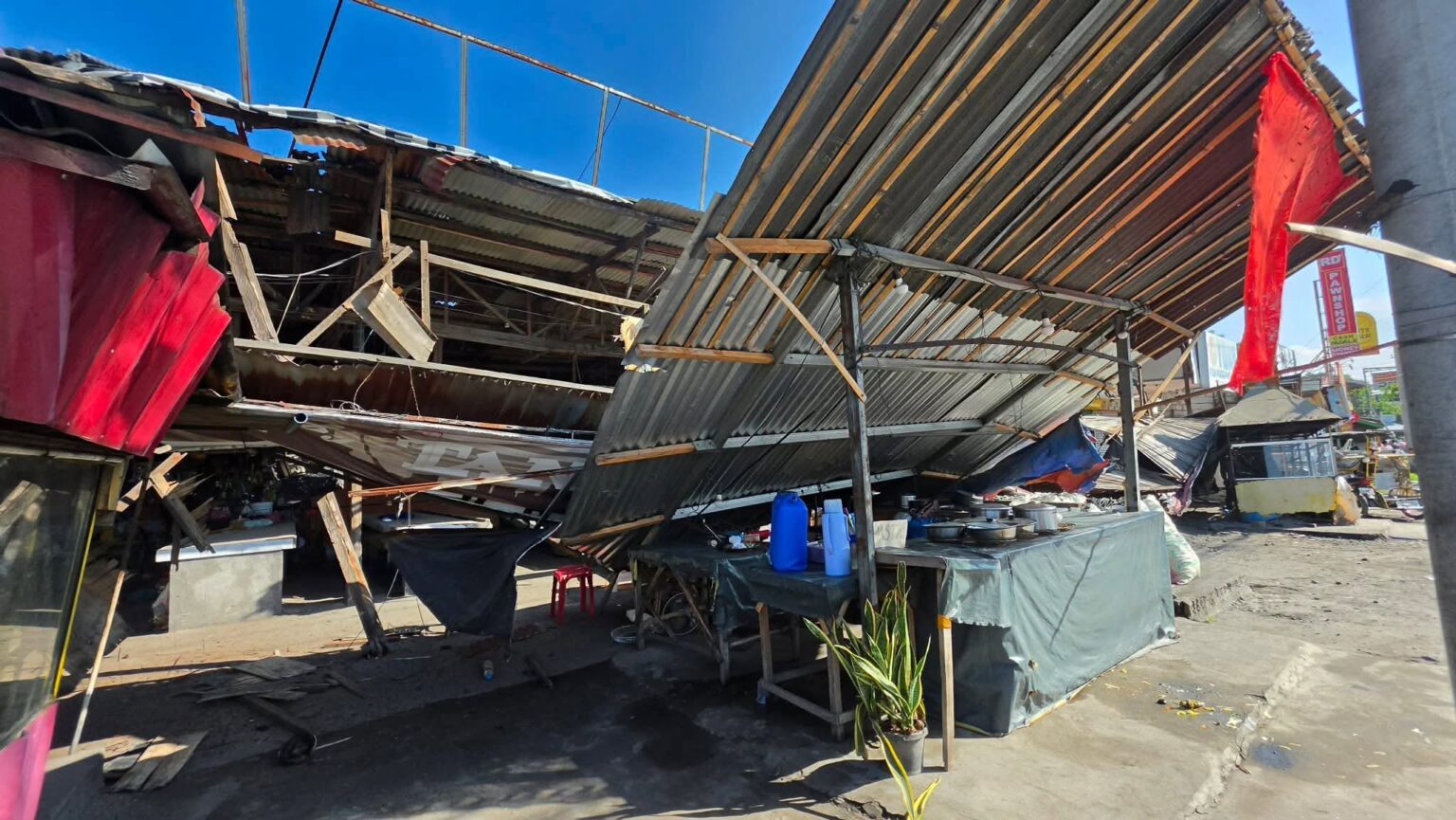
MANILA — A powerful magnitude 7.8 earthquake struck off the coast of Mindanao early Monday, shaking large parts of the southern Philippines and prompting tsunami warnings that triggered evacuations in coastal communities across the region.
According to international seismic monitoring agencies and Philippine authorities, the earthquake occurred offshore near southern Mindanao and was strong enough to be felt across multiple provinces, including areas in Davao Region, SOCCSKSARGEN, and neighboring parts of the country.
Emergency officials immediately issued tsunami advisories and urged residents living in low-lying coastal areas to move to higher ground as a precaution. Local governments activated disaster response protocols while emergency management agencies monitored sea-level conditions and aftershock activity.
The earthquake struck during the morning hours as schools resumed classes in many parts of the country. Videos circulating online showed students, teachers, office workers, and residents evacuating buildings as strong shaking was felt across affected communities.
Authorities reported that the tremor was widely felt throughout Mindanao, causing panic among residents but also demonstrating the effectiveness of earthquake preparedness measures implemented in schools, workplaces, and government facilities. Emergency drills and evacuation procedures were activated in several areas immediately after the shaking began.
As of Monday, officials were still assessing the extent of damage to infrastructure, public buildings, roads, bridges, and private properties. Initial reports indicated disruptions to power and communications in some localities, although authorities continued working to verify the full impact of the earthquake.
The Philippine Institute of Volcanology and Seismology (PHIVOLCS), along with local disaster management offices, urged residents to remain vigilant due to the possibility of strong aftershocks. Experts warned that significant earthquakes are often followed by numerous aftershocks that can pose additional risks to damaged structures.
Coastal communities were placed on heightened alert as tsunami monitoring continued. While tsunami advisories do not always result in destructive waves, authorities emphasized that residents should follow evacuation orders until official all-clear notices are issued.
The earthquake also drew attention across the broader Pacific region. Several international tsunami monitoring centers evaluated the potential for sea-level disturbances beyond Philippine waters, while neighboring countries monitored developments closely.
Mindanao lies within the Pacific Ring of Fire, one of the world’s most active seismic zones. The Philippines experiences thousands of earthquakes each year due to the interaction of major tectonic plates beneath the archipelago. Although many tremors are too weak to be felt, powerful earthquakes remain a recurring threat capable of causing widespread destruction.
Past major earthquakes in Mindanao have resulted in casualties, infrastructure damage, and prolonged disruptions to communities. As a result, disaster preparedness remains a key focus for national and local governments, particularly in earthquake-prone regions.
For residents and businesses, the immediate concern remains safety and the potential impact of aftershocks. Transportation operators, utility providers, schools, and local governments have begun inspections to determine whether facilities can safely continue operations.
Economic analysts note that significant seismic events can temporarily disrupt commerce, transportation, and tourism, particularly if infrastructure damage is reported. However, the full economic impact of the earthquake will depend on the results of ongoing assessments.
Authorities continue to advise the public to rely on official government updates and avoid spreading unverified information on social media. Emergency response teams remain on standby as inspections and monitoring efforts continue across affected areas.
Officials said further updates would be released as damage assessments, aftershock monitoring, and tsunami evaluations progress throughout the day.