

MANILA — The Department of Health (DOH) on Wednesday assured the public that the Philippines is “well-prepared” to handle the Nipah virus (NiV), amid reports of international authorities monitoring a spike in cases in India.
Health officials emphasized that while the virus is highly lethal, it is not a new threat to the archipelago. The DOH noted that the country’s healthcare system already has established protocols for zoonotic diseases—illnesses that jump from animals to humans.
A history of containment
According to the DOH, the Philippines has successfully managed the Nipah virus in the past. In 2014, an outbreak was recorded in Sultan Kudarat, resulting in 17 confirmed cases.
Health experts at the time traced the transmission to direct contact with infected horses and the consumption of contaminated meat. The DOH highlighted that the swift containment of the 2014 cluster serves as a blueprint for the country’s current surveillance and response strategies.
Monitoring and Border Control
While there are currently no active cases of Nipah virus reported in the Philippines, the DOH remains on high alert.
“Our surveillance systems are active, and our laboratory capabilities at the Research Institute for Tropical Medicine (RITM) are equipped to detect such pathogens,” the Department said in a statement.
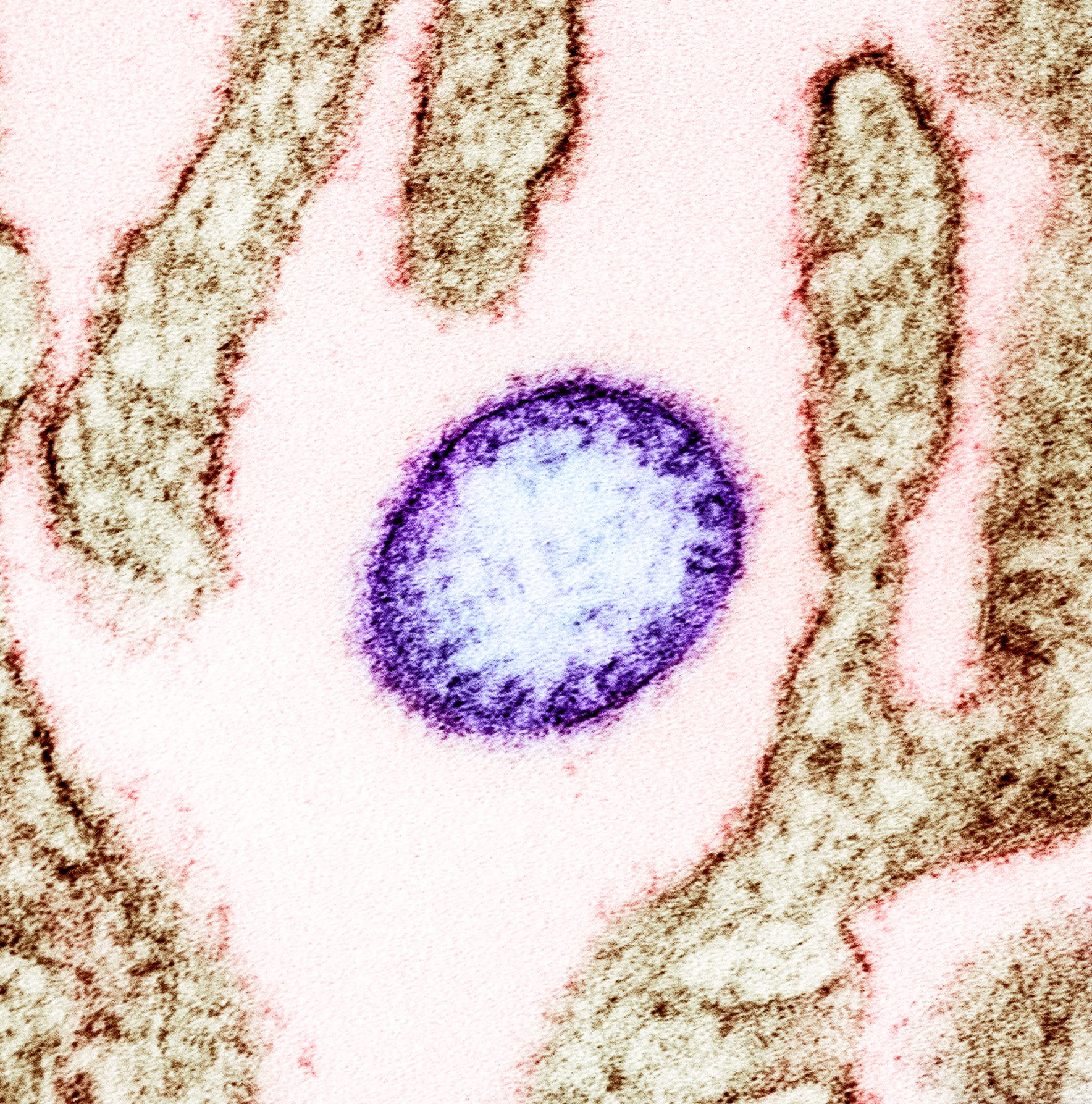
The assurance comes as neighboring countries in South and Southeast Asia tighten border controls and passenger screenings. The Nipah virus, primarily carried by fruit bats, can cause severe respiratory illness and fatal encephalitis (brain swelling).
Precautionary Measures
The DOH urged the public to remain calm but vigilant. Health officials recommend the following preventive measures:
- Avoid Raw Sap: Refrain from drinking raw palm juice or sap that may be contaminated by bats.
- Wash Fruits Thoroughly: Ensure all fruits are washed or peeled before consumption.
- Hand Hygiene: Frequent handwashing remains the most effective defense against various viral transmissions.
- Animal Safety: Avoid unprotected contact with sick bats, pigs, or horses.
The World Health Organization (WHO) currently estimates the fatality rate of the Nipah virus to be between 40% and 75%, making early detection and isolation the most critical factors in preventing a widespread outbreak.