

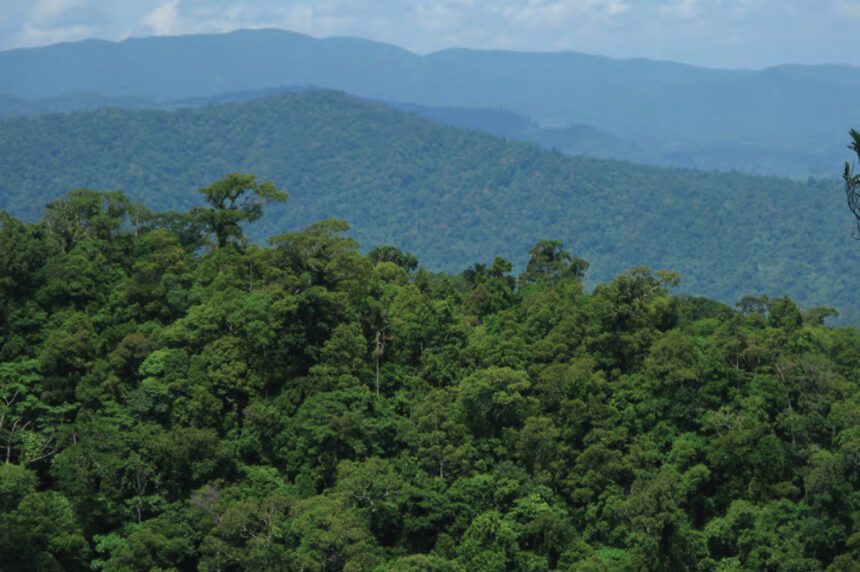
Luzon, Philippines – As typhoon season bears down on the archipelago with increasing intensity, a silent, formidable guardian stands sentinel along the eastern flank of Luzon: the Sierra Madre Mountain Range. Stretching over 540 kilometers, this majestic natural barrier isn’t just a picturesque backdrop; it is, quite literally, a lifesaver, significantly weakening the ferocious typhoons that regularly threaten millions.
Often dubbed the “backbone of Luzon,” the Sierra Madre plays an indispensable role in mitigating the catastrophic impact of these superstorms. But how exactly does this colossal range achieve such a heroic feat? The answer lies in a fascinating interplay of geography and meteorology.
The Typhoon Tamer: Two-Fold Defense
“The Sierra Madre acts like a giant shield,” explains Dr. Elena Ramos, a meteorologist specializing in tropical cyclones. “Its sheer mass and elevation disrupt the typhoon’s delicate, yet powerful, structure in two primary ways: surface friction and a critical energy cut-off.”
- The Friction Factor – Slowing Down the Beast: As a typhoon makes landfall and its swirling vortex of winds slams into the rugged, forest-covered slopes of the Sierra Madre, it encounters immense surface friction. Imagine a high-speed car suddenly hitting a rough, uneven road – it’s forced to slow down. The mountains physically interfere with the organized circulation of the typhoon, disrupting the momentum that feeds its destructive winds. This physical confrontation effectively acts as a brake, diminishing wind speeds and causing the storm’s tightly wound structure to unravel. The difference in wind intensity between the windward (eastern) and leeward (western) sides of the range can be dramatic, offering a crucial window for communities further inland.
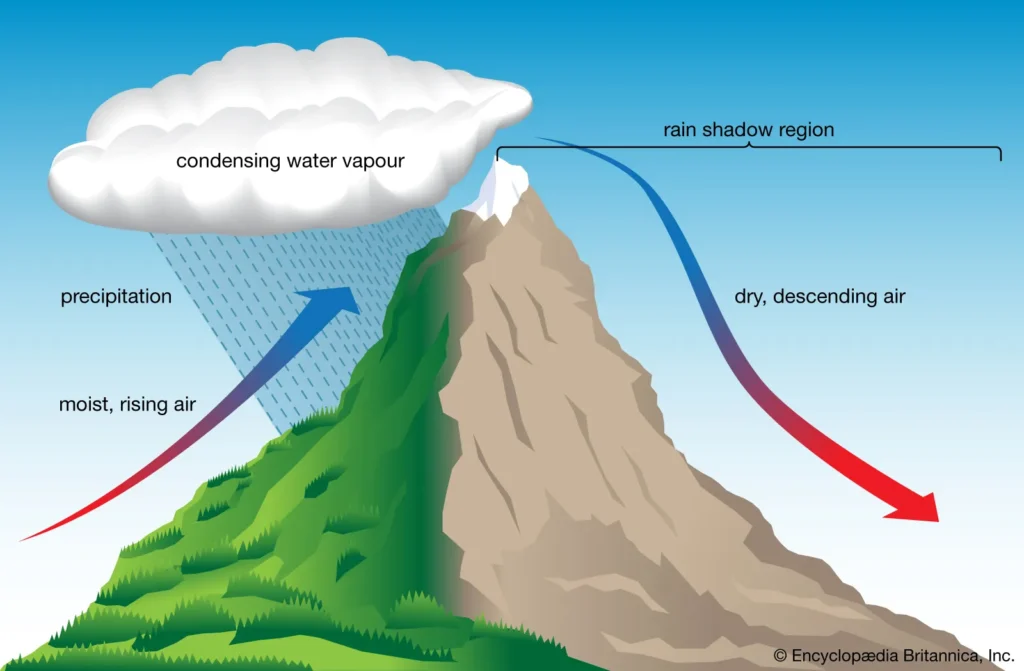
- The Energy Drain – Starving the Storm: Tropical cyclones are voracious energy machines, fueled by the warm, moist air and heat from the ocean. Once a typhoon begins its arduous journey over the Sierra Madre, it is effectively cut off from its primary energy source. “This is where the mountains perform a crucial hydrological trick,” Dr. Ramos elaborates. “The moisture-laden air, forced upwards by the mountain slopes, cools, condenses, and releases its moisture as heavy rainfall on the eastern side. This is called the orographic effect.” Essentially, the mountains wring out a significant portion of the storm’s moisture, reducing the latent heat that powers the typhoon. As this now drier air descends the western slopes, it warms up (a phenomenon known as the foehn effect), further injecting warm, dry air into the typhoon’s core – a fatal blow for a storm that thrives on warmth and humidity.
A Natural Wonder, Under Threat
While the Sierra Madre’s protective embrace is invaluable, it’s crucial to remember that it doesn’t render typhoons harmless. Coastal communities still bear the initial brunt of the storm’s full fury before it crosses the range. Furthermore, the very mechanism that weakens the typhoon – the orographic rainfall – can lead to enhanced precipitation on the mountain slopes, increasing the risk of deadly floods and landslides in these areas.
“The integrity of the Sierra Madre, especially its forest cover, is paramount,” stresses environmental advocate Miguel Santos. “Healthy forests help stabilize the soil, absorb rainwater, and reduce runoff, mitigating the very dangers that come with the heavy rainfall. Degradation of these forests could severely compromise the range’s ability to protect us.”
Looking Ahead
As climate change potentially intensifies weather patterns, the role of the Sierra Madre as a natural buffer becomes even more critical. Understanding its mechanisms not only highlights the wonders of nature but also underscores the urgent need for its preservation. The next time a typhoon threatens, take a moment to appreciate the silent, steadfast guardian that stands tall, tirelessly weakening nature’s mightiest storms for the millions who call Luzon home.
📍 Why This Matters
If Sierra Madre were not there:
- Typhoons might reach Metro Manila at full speed
- More flooding and storm surges could happen in low-lying areas
- Houses, farms, and schools could be more badly damaged
Experts warn that disasters could become far more destructive without Sierra Madre’s protection.