

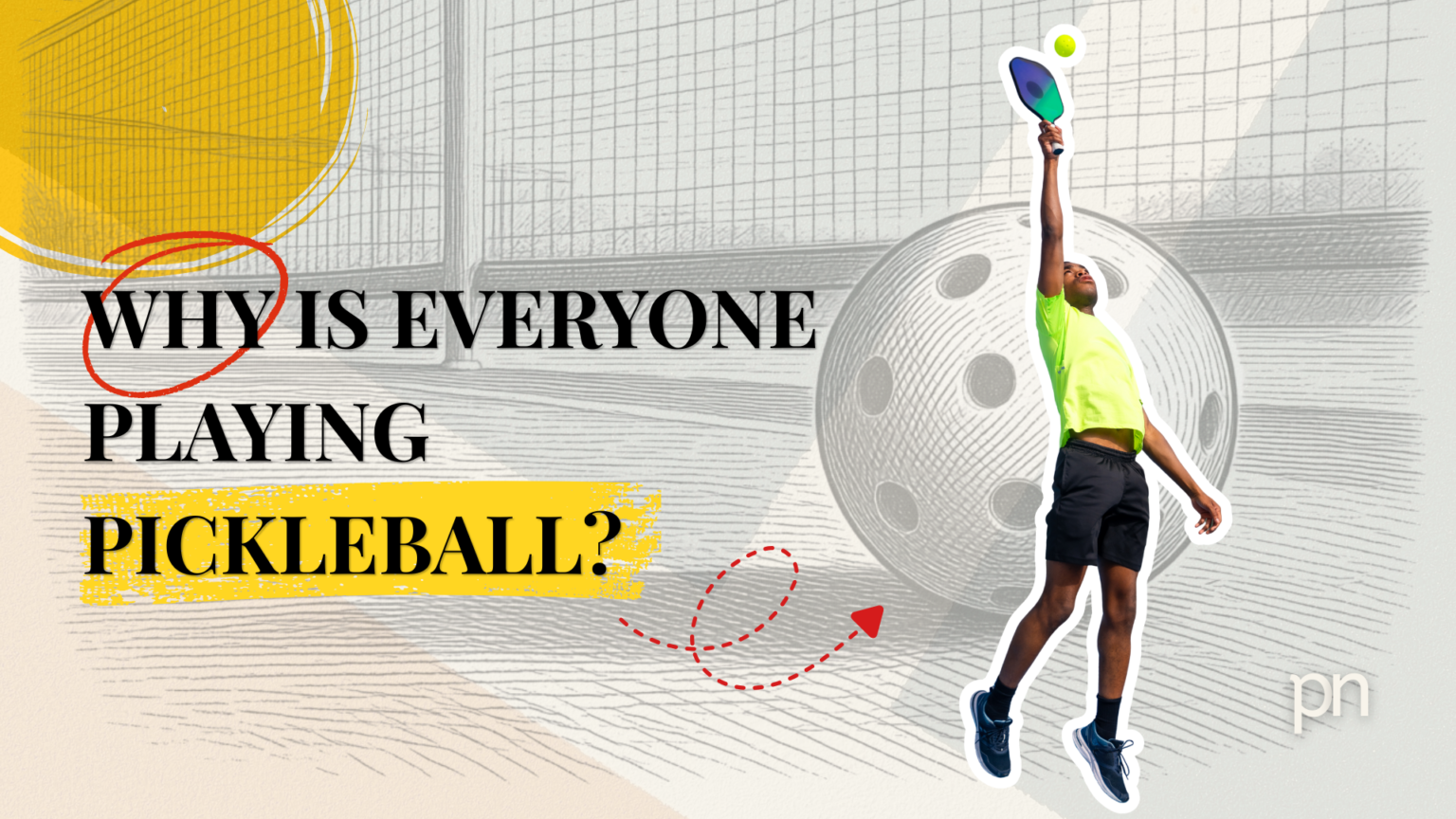

If you have been scrolling through Facebook, TikTok or Instagram lately, you may have noticed a new trend appearing in neighborhoods, sports clubs and recreational facilities across the Philippines: pickleball.
The sport’s distinctive pop-pop sound is becoming increasingly familiar as more Filipinos pick up paddles and step onto smaller courts designed for the game.
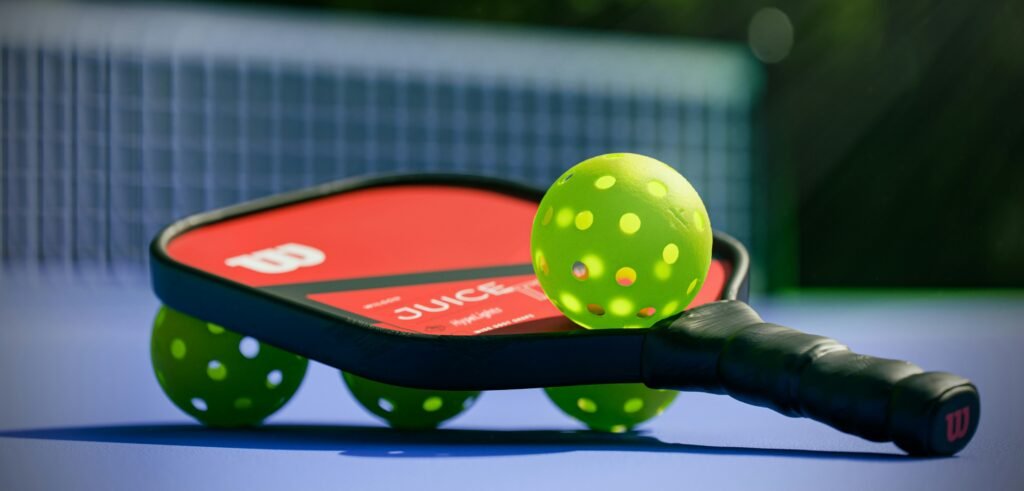
Pickleball combines elements of tennis, badminton and table tennis. Players use solid paddles and a lightweight perforated plastic ball on a court smaller than a tennis court.
What makes it particularly appealing is its accessibility.
You don’t need to be a lifelong athlete to start playing. The basic rules can be learned relatively quickly, and recreational games can be played at different levels of intensity.
That combination is helping pickleball find an audience among young professionals, families, students and older adults.
A sport that fits busy Filipino schedules
Finding time to exercise can be difficult in Philippine cities.
Long commutes, demanding work schedules, family responsibilities and weekend errands can leave little room for recreational activities.
Pickleball offers a relatively flexible alternative.
Players can organize games after work or during weekends without necessarily committing an entire day to the activity. A few matches can become both a workout and a social gathering.
The sport can also be played indoors or outdoors, giving players more options during the country’s hot weather and rainy season.
For many recreational players, that convenience can make the difference between an activity they occasionally try and one they regularly return to.
You don’t have to be an athlete to play
Another part of pickleball’s appeal is its relatively low barrier to entry.
Compared with sports that require extensive training before beginners can comfortably participate, pickleball allows new players to learn the fundamentals and start rallying relatively quickly.
The smaller court means players generally do not have to cover the same distances required in a full-sized tennis court.
That doesn’t mean the sport is effortless.
Competitive games can involve quick movements, changes in direction and repeated exchanges near the net. Players also need coordination, balance, reaction time and concentration.
But casual players can adjust the pace and intensity of their games according to their experience and fitness level.
It’s becoming a social activity, too
Perhaps the biggest reason pickleball is gaining attention isn’t purely athletic.
It’s social.
Many recreational sessions allow players to rotate partners and opponents, making it possible for newcomers to meet people even if they don’t arrive with a complete group.
That gives pickleball something in common with other sports that have become part of Filipino community life.
Basketball courts have long served as gathering places in barangays. Badminton clubs created similar social communities in many cities. Running and cycling groups have also turned exercise into a way to build friendships.
Pickleball appears to be following a similar path.
A person may initially join because they want exercise, but the reason they continue may be the people they meet.
A sport for different generations
Pickleball’s relatively adaptable pace also makes it attractive to mixed-age groups.
Parents can play with their adult children. Friends can organize casual games. Older players can participate alongside younger players when the level of play is appropriate.
That intergenerational aspect fits naturally into Filipino social and family culture.
Instead of separating people according to age or athletic ability, recreational pickleball can put different groups on the same court.
Social media is helping it grow
The Philippines’ strong social media culture is another factor helping emerging recreational activities gain momentum.
Facebook groups and Messenger communities make it easier for players to find courts, organize games, announce open-play sessions and promote local tournaments.
TikTok and Instagram also make the sport highly visible.
A short video showing a fast rally or a group of friends playing after work can introduce the sport to thousands of potential players.
That visibility can create a cycle: more people see the sport, more people try it, and growing demand encourages more facilities and organized sessions.
More than just another fitness trend
Pickleball’s rise reflects a broader change in how Filipinos approach recreation.
People are increasingly looking for activities that combine exercise with social interaction. Instead of simply going to a gym or exercising alone, many are looking for experiences that allow them to stay active while spending time with friends.
Pickleball happens to fit that model particularly well.
It is accessible enough for beginners, competitive enough for experienced players and social enough to become a regular part of someone’s routine.
From Metro Manila to Cebu, Davao and other growing communities around the country, the sport is becoming increasingly visible.
Whether it becomes the Philippines’ next major recreational obsession remains to be seen.
But if you have already heard that familiar pop-pop coming from a nearby court, there’s a good chance someone you know is already playing.
And before long, you might be holding the paddle yourself.
Planning to open a pickleball facility? 🏓 Find the right space with Rentable. Contact us for available warehouse listings and locations.
