TARLAC, Philippines — An ambitious plan to transform Central Luzon into a major hub for artificial intelligence, semiconductor manufacturing and advanced technology is generating both optimism and concern over its potential impact on the region.
At the center of the debate is Pax Silica, a US-led economic security initiative focused on strengthening supply chains for critical minerals, semiconductors and artificial intelligence technologies.
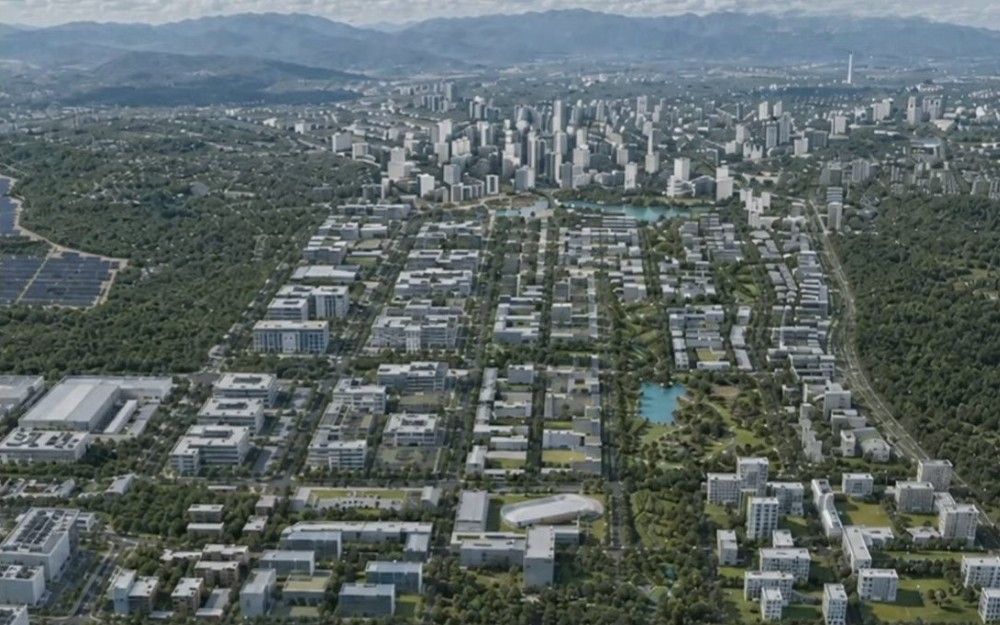
The Philippine government has designated a 1,619-hectare Economic Security Zone within New Clark City in Tarlac as part of the country’s participation in the initiative.
Government officials have described the project as an opportunity to attract billions of dollars in investments, create high-value jobs and position the Philippines as a more significant player in the global technology supply chain.
But environmental groups, labor organizations and advocacy groups have raised questions about the project’s potential impact on water resources, electricity supply, land use and local communities.
Water demand raises concerns
One of the major issues surrounding the proposed development is water availability.
Advanced semiconductor manufacturing facilities and data centers can require significant amounts of water for industrial processes and cooling. Estimates cited in discussions about the project suggest that the New Clark City development could require tens of millions of liters of water daily.
Environmental advocates have warned that the project’s water requirements could put additional pressure on local resources and potentially affect nearby agricultural communities.
The Bases Conversion and Development Authority (BCDA), however, has said the project will not depend on groundwater used by surrounding communities.
Instead, officials have pointed to surface water, rainwater collection and recycling systems as possible solutions to meet the project’s requirements.
Power demand adds another challenge
The proposed technology hub is also expected to require a significant and reliable supply of electricity.
Artificial intelligence infrastructure, semiconductor manufacturing facilities and data centers operate around the clock and require stable power. This has raised questions about whether the country’s existing energy infrastructure can accommodate the additional demand.
Critics have warned that a major increase in electricity consumption could place additional pressure on the Luzon grid and potentially affect power costs.
Government officials and project proponents have said dedicated power arrangements and renewable energy sources could be explored to support the development.
The availability of reliable and affordable electricity will likely be a key factor in attracting major technology companies to the proposed economic zone.
Land and community concerns
The project’s scale has also prompted questions about land rights and its potential impact on farmers and Indigenous communities.
Advocacy groups have raised concerns about possible displacement and the effects of large-scale industrial development on agricultural and ancestral lands.
The BCDA has rejected claims of ancestral domain encroachment, maintaining that the designated area is state-owned public property covered by its legal mandate.
Officials have also said that affected farm tenants will be considered under appropriate compensation and livelihood programs.
Geopolitical questions
Pax Silica’s connection to US-led efforts to strengthen critical technology and mineral supply chains has also fueled a wider debate over the Philippines’ geopolitical position.
Critics have questioned whether the initiative could expose the country to greater tensions involving major global powers.
Government officials, however, have emphasized that the initiative is primarily an economic and manufacturing framework that will operate under Philippine laws.
They argue that attracting high-value investments and developing domestic processing capabilities could strengthen the country’s economy and reduce reliance on exporting raw materials.
A high-stakes opportunity for Central Luzon
For Central Luzon, Pax Silica could represent a major economic opportunity.
The proposed development could help transform New Clark City into a high-tech manufacturing and innovation hub while creating jobs and attracting foreign investment.
But the project’s success will also depend on how effectively the government addresses concerns involving water security, power supply, environmental protection, land rights and community participation.
As planning and regulatory processes continue, the debate surrounding Pax Silica is expected to grow.
For Central Luzon, the challenge is not only to attract the next generation of technology investments—but to ensure that the region has the infrastructure, resources and safeguards needed to support that growth sustainably.