
The City Government of San Fernando has received a ₱1 million livelihood grant from the Department of Labor and Employment (DOLE) to support and develop future lantern makers, including members of marginalized sectors, as part of efforts to preserve the city’s cultural heritage.
The funding was provided under the DOLE Integrated Livelihood Program (DILP) for a project titled “Liwanag ng Pag-asa: Reviving the Past, Lighting the Future.” The initiative aims to sustain San Fernando’s centuries-old lantern-making tradition while creating stable livelihood opportunities for vulnerable groups.
City officials said the program will benefit 25 individuals, including persons deprived of liberty (PDLs), persons with disability (PWDs), and local lantern makers. Beneficiaries will undergo skills training and receive livelihood and production support designed to equip them with marketable skills linked to the city’s signature craft.
To ensure the project’s effective implementation and long-term sustainability, the city government has committed an additional ₱250,000 as counterpart funding.
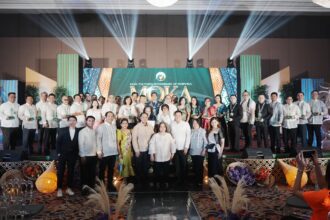
The ceremonial turnover of the DILP grant was attended by officials from DOLE Region III, led by Pampanga Provincial Director May Lynn Gozun, along with division chiefs Aurita Laxamana and Catherine Mago. San Fernando Mayor Vilma Balle-Caluag formally received the grant, accompanied by City Public Employment Services Office (CPESO) Manager Mary Ann Biliwang.
Mayor Vilma Caluag thanked DOLE for its continued support of the city’s livelihood initiatives, saying the program goes beyond income generation by offering hope and second chances to its beneficiaries. She emphasized that the project reflects the city’s commitment to inclusive development while reinforcing San Fernando’s identity as the “Christmas Capital of the Philippines.”
Biliwang, for her part, said CPESO will play a key role in guiding and supporting beneficiaries to help ensure their success and enable them to become productive members of the community.
The city government said the project is expected to contribute both to cultural preservation and to local economic development, particularly among sectors often left out of traditional livelihood programs.