

MANILA — A Philippine maritime official has accused the Chinese Embassy in Manila of overstepping diplomatic bounds, following a statement from Beijing seeking clarification from the Philippine government over remarks related to developments in the West Philippine Sea.
In a strongly worded response, the official said the embassy’s demand to determine whether the statements reflected official government policy — and why the official had not been “held accountable” — constituted interference in the country’s internal affairs, a move prohibited under the Vienna Convention on Diplomatic Relations.
Article 41(1) of the convention requires diplomatic missions to respect the laws and regulations of the host state and explicitly bars them from intervening in domestic matters. The official argued that pressuring the Philippine government over personal and professional statements made in an official communications role crossed that line.
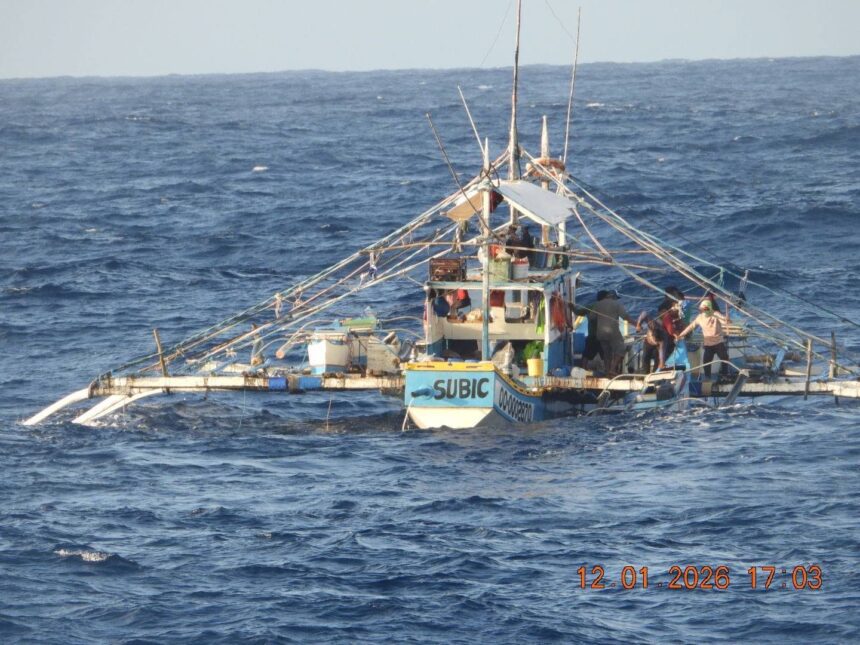
The response further said the focus should not be on the messenger but on what it described as China’s “well-documented actions” in the West Philippine Sea, including reported dangerous maneuvers, ramming incidents, and water cannon use against Philippine Coast Guard and Bureau of Fisheries and Aquatic Resources vessels. It also cited alleged harassment of Filipino fishermen within the country’s exclusive economic zone.
The official reiterated concerns over the presence of Chinese maritime militia vessels and the construction of artificial islands, pointing to the 2016 arbitral ruling that invalidated China’s expansive maritime claims — a decision Beijing has consistently rejected.
“These are not allegations but documented incidents,” the official said, noting that reports have been supported by videos, photographs, official government records, satellite imagery, and independent observations from other countries.
The statement emphasized that the role of government communicators is to provide transparent, factual information to the public and the international community, particularly on issues involving national sovereignty and maritime rights. It added that the Philippine government has no obligation to sanction officials for reporting verified events occurring in Philippine waters.
The response also addressed China’s repeated calls for peace and dialogue, saying meaningful dialogue must be grounded in accountability, respect for international law, and non-interference in another country’s affairs.
The Chinese Embassy has yet to issue a further response.
Tensions between Manila and Beijing have remained high amid repeated confrontations in disputed areas of the South China Sea, which the Philippines refers to as the West Philippine Sea. The Philippine government has consistently said it will continue to assert its sovereign rights and jurisdiction in the area through peaceful and lawful means.