


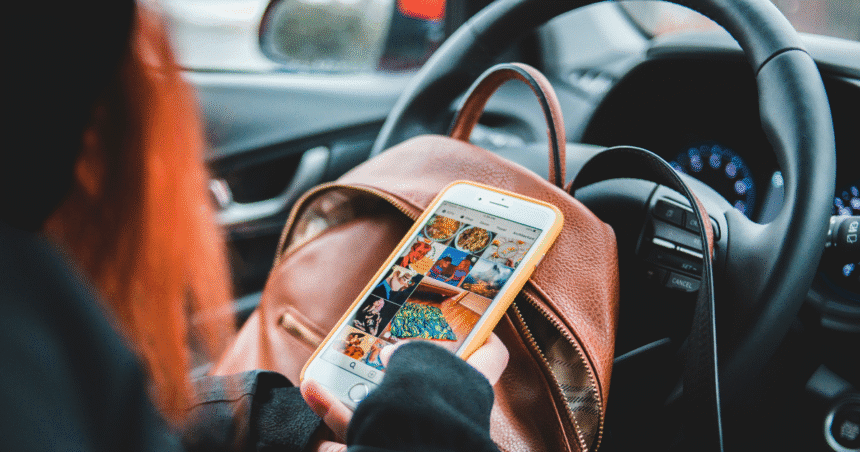
For a generation that lives life increasingly online, the endless scroll of social media has become a reflex—a constant companion. But a growing consensus among researchers suggests this digital habit is taking a profound toll on our collective well-being. The message, increasingly backed by hard science, is clear: stepping away from platforms like Instagram, TikTok, and X is a powerful prescription for better mental health.
A simple log-out, experts say, can alleviate symptoms of depression, sharply reduce anxiety, and fundamentally improve self-esteem.
The Scientific Case for Stepping Away
The connection between heavy social media use and poor mental health outcomes is no longer speculative. It is a focus area for major psychological and medical institutions.
Researchers writing in the Journal of Clinical Psychiatry highlighted the phenomenon known as “social comparison theory” in the digital age. When users are constantly exposed to curated, highlight-reel versions of others’ lives—perfect vacations, successful careers, flawless physiques—it triggers a feeling of inadequacy that can fuel depression and self-doubt.
“Social media doesn’t just present an alternative reality; it presents a perfected reality, which is impossible to compete with,” explains Dr. Evelyn Reed, a clinical psychologist specializing in digital wellness, who was not involved in the original study. “When our brains are constantly comparing our ordinary lives to this digital perfection, the result is chronic stress and feelings of failure.”
A landmark study tracked two groups: one that continued unrestricted social media use, and another that limited platform engagement to just 30 minutes a day for three weeks. The findings, published in a leading issue of Psychological Science, were compelling. The group that enforced the time limit reported a significant drop in both loneliness and symptoms of anxiety.
Breaking the Cycle of ‘Doomscrolling’
Beyond comparison culture, another factor driving the mental health decline is the pervasive nature of negative content—or “doomscrolling.”
Platforms, driven by engagement algorithms, often prioritize high-stakes, emotionally charged, and polarizing news. This constant exposure to conflict and crisis—whether political, global, or personal—keeps the brain in a perpetual state of hyper-vigilance, mirroring the effects of chronic stress.
“This is not just about feeling bad; it’s physiological,” says Dr. Reed. “When you are endlessly scrolling through alarming or confrontational content, your body produces cortisol. This chemical response is the same as if you were facing an immediate threat. Your nervous system doesn’t know the difference between a real-world emergency and an inflammatory post on your phone.”
By removing the primary source of this stress—the phone screen—individuals report feeling more grounded, sleeping better, and having greater reserves of cognitive energy.
A Path to Real-World Connection
The irony of “social” media is that heavy use often leads to social isolation. Researchers found that time spent online often replaces time that would otherwise be spent engaging in genuine, face-to-face interactions, which are crucial for forming the bonds that truly stave off loneliness.
One study emphasized that for adolescents and young adults, reducing digital time often led to an increase in high-quality, real-world activities, from exercise to hobbies to spending time with family. It was not simply a removal of the negative, but an addition of the positive.
The scientific conclusion is unanimous: The benefits of a digital detox—even a temporary one—far outweigh the perceived costs of missing out on online updates. For those seeking a tangible way to improve their mental health this year, doctors and psychologists alike are prescribing the same simple solution: Go dark.
Journal: Technology, Mind, and Behavior Study: “No More FOMO: Limiting Social Media Decreases Loneliness and Depression” Authors: David, M. E., Kim, E. J., Buchanan, C. S., & Light, A. E. (2023) Key Finding: College students who limited their social media usage to 30 minutes per day for two weeks reported significantly lower levels of anxiety, depression, loneliness, and fear of missing out (FOMO) compared to the control group.