

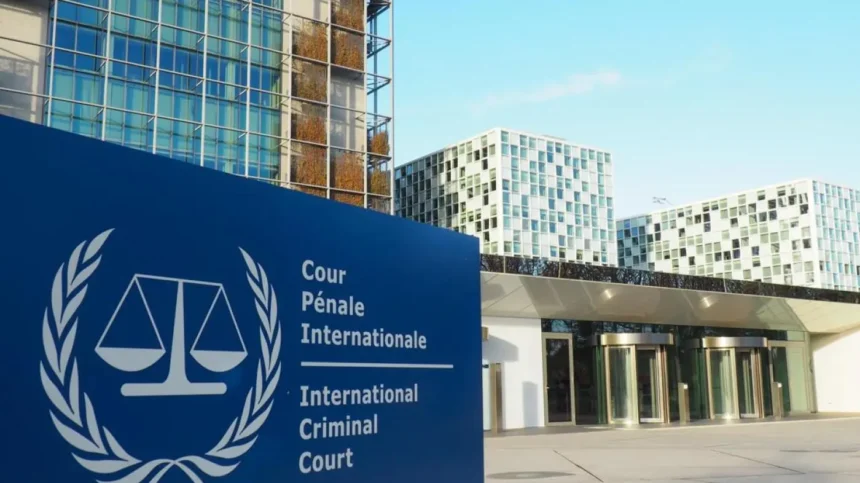
MANILA — Prosecutors at the International Criminal Court are urging judges to resume pretrial proceedings against former Philippine President Rodrigo Duterte, arguing that medical experts have found him mentally fit to participate in the case despite claims by his defense that he is cognitively impaired.
In a nine-page filing submitted Thursday to the ICC’s Pre-Trial Chamber I, the Office of the Prosecutor said Duterte is capable of understanding the charges against him and taking part in legal proceedings related to alleged crimes against humanity stemming from his controversial anti-drug campaign.
Deputy Prosecutor Mame Mandiaye Niang wrote that assessments conducted by a panel of court-appointed medical experts concluded Duterte was fit to proceed, describing his reported cognitive difficulties as unreliable based on objective testing.
According to prosecutors, the experts determined that Duterte demonstrated signs of underperformance during examinations, including in tests designed to assess short-term memory. The panel found that such results did not indicate a level of impairment that would prevent him from engaging meaningfully in the proceedings.
“All three experts concluded that Mr. Duterte’s subjective complaints regarding his health and mental functioning are unreliable,” prosecutors said, adding that the former president retains the ability to understand the nature of the charges, assess evidence, and communicate instructions to his legal team.
The court ordered a medical evaluation after Duterte’s lawyers sought an indefinite adjournment of the case in August, citing concerns over his physical and mental health. The ICC Registry appointed three independent medical experts in September and added a fourth in November. Their findings were submitted to the court earlier this month.
While prosecutors maintained that Duterte is fit for trial, they acknowledged his physical frailty and deferred to the court on potential adjustments to the hearing schedule. Medical experts recommended limiting court attendance to four days per week, avoiding consecutive hearing days, shortening daily sessions, and allowing frequent breaks. Additional recommendations included accommodating dietary preferences and adjusting how information is presented during hearings.
The Office of Public Counsel for Victims has also called on the court to move forward, citing the panel’s unanimous conclusion that Duterte can participate in the proceedings.
Duterte’s defense team, however, strongly disputed the experts’ conclusions. In a filing dated December 18, lead counsel Nicholas Kaufman argued that the reports contained internal inconsistencies and failed to adequately account for what the defense described as significant short-term memory problems.
The defense said Duterte struggles to retain information from one day to the next, making it difficult for him to provide consistent legal instructions or assess evidence. While acknowledging that the experts noted memory issues, the defense argued that none concluded Duterte was free of cognitive impairment.
Kaufman also raised concerns that the panel relied primarily on medical records from 2025 and did not sufficiently consider Duterte’s earlier medical history in the Philippines, questioning the completeness of the evaluations.
In addition, Duterte’s legal team has requested access to communications between the ICC Registry and the medical experts and is seeking an evidentiary hearing to examine the experts’ findings before the court makes a final determination on his competency.
Despite contesting the conclusions, the defense said it supports the proposed measures to accommodate Duterte’s health should proceedings resume.
Prosecutors concluded their submission by urging the court to move forward with the confirmation of charges hearing without further delay.