

As the holiday season approaches, animal welfare advocates are raising renewed concerns about the adverse effects of firecrackers and fireworks on animals, both domestic and wild.
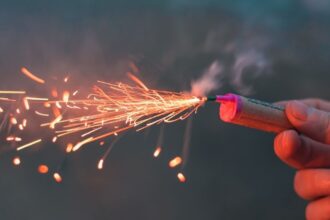
Although firecrackers are a long-standing part of New Year celebrations across the Philippines, veterinarians and animal welfare organizations warn that the loud noises, bright flashes, and smoke produced by pyrotechnics can be harmful to animals’ health and welfare.
Sensitivity to Sound and Stress Reactions
Dogs, cats, and other animals have a much more sensitive hearing range than humans, meaning that explosions from firecrackers are perceived as far louder and more disturbing. These noises are unpredictable and intense, making it difficult for animals to anticipate or adapt to them. (RSPCA)
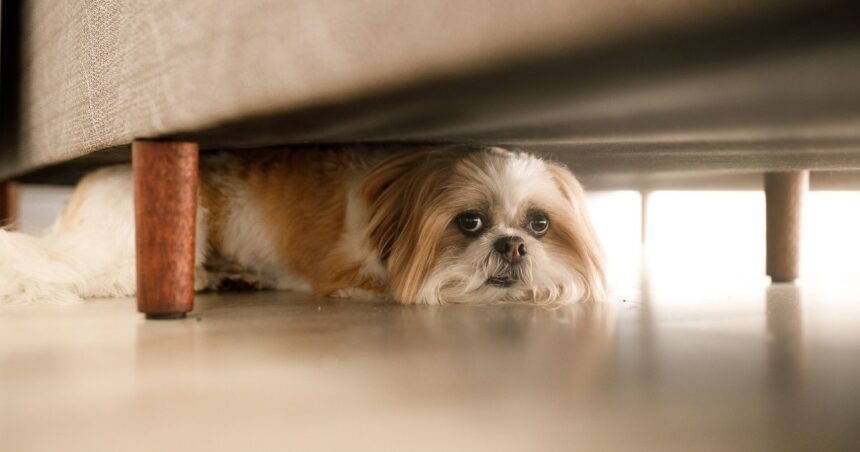
According to animal welfare advocates, this can lead to severe anxiety, panic, and stress responses. Dogs may exhibit trembling, excessive panting, increased heart rate, and repeated attempts to flee from the source of the noise. In some cases, animals remain fearful for hours or even days after the noise has stopped. (Scientific Reports Nature)
Tips to Reduce Firecracker Stress on Animals
- Keep Pets Indoors
Keep your dogs, cats, and other pets inside the house during firecracker-heavy times. Close windows and curtains to reduce noise and light exposure. - Create a Safe Space
Set up a quiet, comfortable space where your pets can retreat. Use blankets, crates, or a cozy room with their favorite toys to help them feel secure. - Use Soothing Sounds
Play calming music or white noise to help mask the sound of firecrackers. - Exercise Pets Earlier in the Day
Take your dog for a long walk or play with your pets earlier in the day so they are more tired and relaxed during the fireworks. - Avoid Punishment or Overcomforting
Stay calm and avoid scolding or overly comforting your pets, as this may increase their anxiety. - Use Calming Products
Consider pet-safe calming sprays, pheromone diffusers, or anxiety wraps after consulting with a veterinarian. - Avoid Leaving Pets Alone
Stay with your pets during fireworks if possible. Your presence can reassure them. - Follow Legal Guidelines for Firecracker Use
Celebrate within the limits of the law to minimize excessive and illegal firecracker use, which can increase stress and danger to animals.
Health Risks Beyond Noise
Beyond fear and anxiety, firecrackers pose additional health risks to animals:
- Respiratory effects — Smoke and chemical particles from pyrotechnics can irritate the lungs and eyes of pets, especially smaller animals and those with pre-existing conditions.
Daily Guardian - Accidental ingestion — Firecracker fragments and debris may be ingested, leading to gastrointestinal problems such as vomiting and diarrhea.
Philstar - Choking and toxic exposure — Animals that sniff or chew discarded firecracker remnants risk choking or exposure to toxic substances used in fireworks.
Daily Guardian
Wildlife Impact
The impact is not limited to household pets. Birds and other wildlife may experience panic and disorientation, often fleeing nests or habitats at night. This increases the risk of collisions with structures or separation from their young. Bright flashes and loud explosions contribute significantly to this distress. (Humane World for Animals)
Local Animal Welfare Advocacy
Groups such as the Philippine Animal Welfare Society (PAWS) and the EcoWaste Coalition have urged the public to reconsider traditional New Year pyrotechnics and adopt less harmful ways of celebrating. They recommend keeping pets indoors, exercising animals earlier in the day, and creating quiet, secure spaces at home to help reduce stress during loud celebrations.
(Daily Guardian)
Enjoying Celebrations While Following Philippine Law
Authorities and animal welfare groups stress that Filipinos can still enjoy the holiday season by following existing laws and regulations on firecracker use in the Philippines.
Under national regulations and local government ordinances, the sale and use of certain dangerous firecrackers are prohibited, while safer alternatives and regulated fireworks displays are encouraged. Officials also remind the public to use firecrackers only in designated areas and at permitted times to reduce risks to people, animals, and property.
By complying with the law and choosing safer, regulated forms of celebration, residents can help protect animals while still welcoming the New Year responsibly.
Calls for Responsible Celebrations
Animal welfare organizations continue to call on communities to balance celebration with compassion. Quieter noisemakers, community light displays, and organized fireworks events have been suggested as alternatives that preserve tradition while minimizing harm to animals and the environment.
Sources:
- Philippine Animal Welfare Society (PAWS) statements on animal harm from firecrackers – Philstar
- FOUR PAWS International press releases on animal stress and fireworks – FOUR PAWS
- Daily Guardian reports on firecracker smoke and animal health – Daily Guardian
- RSPCA briefings on fireworks and animal welfare – RSPCA
- Scientific studies on animal stress responses to loud noise – Scientific Reports (Nature)