


MANILA, Philippines — Google Pay is officially entering the Philippine market on Nov. 18, becoming the first major global digital wallet to roll out in the country after months of coordination with partner banks and regulators.
According to industry officials familiar with the launch, GoTyme Bank is among the first issuers going live, though the bank has yet to release any announcement due to a Google-imposed embargo. Several other financial institutions are also preparing to launch quietly under similar restrictions.
At least nine issuers are expected to be ready on day one, sources said. Seven banks are onboarding through Visa’s network, while two are integrating via Mastercard. The number could climb higher once fintech firms are included in the final count.
Two of the country’s biggest lenders — BDO Unibank and the Bank of the Philippine Islands — are not part of the initial rollout. People with knowledge of the matter say both banks are still completing technical requirements before they can activate support for Google Pay. Unlike Apple Pay, which typically waits for a wider group of issuers before announcing a launch date, Google is moving ahead as soon as partners finish their technical readiness.
Regulatory clearance has already paved the way for the rollout. The Bangko Sentral ng Pilipinas earlier determined that global wallets like Apple Pay and Google Pay function as technology providers — not payment service operators — because they do not handle or store customer funds. The ruling means the two companies can operate without registering as payment service providers.
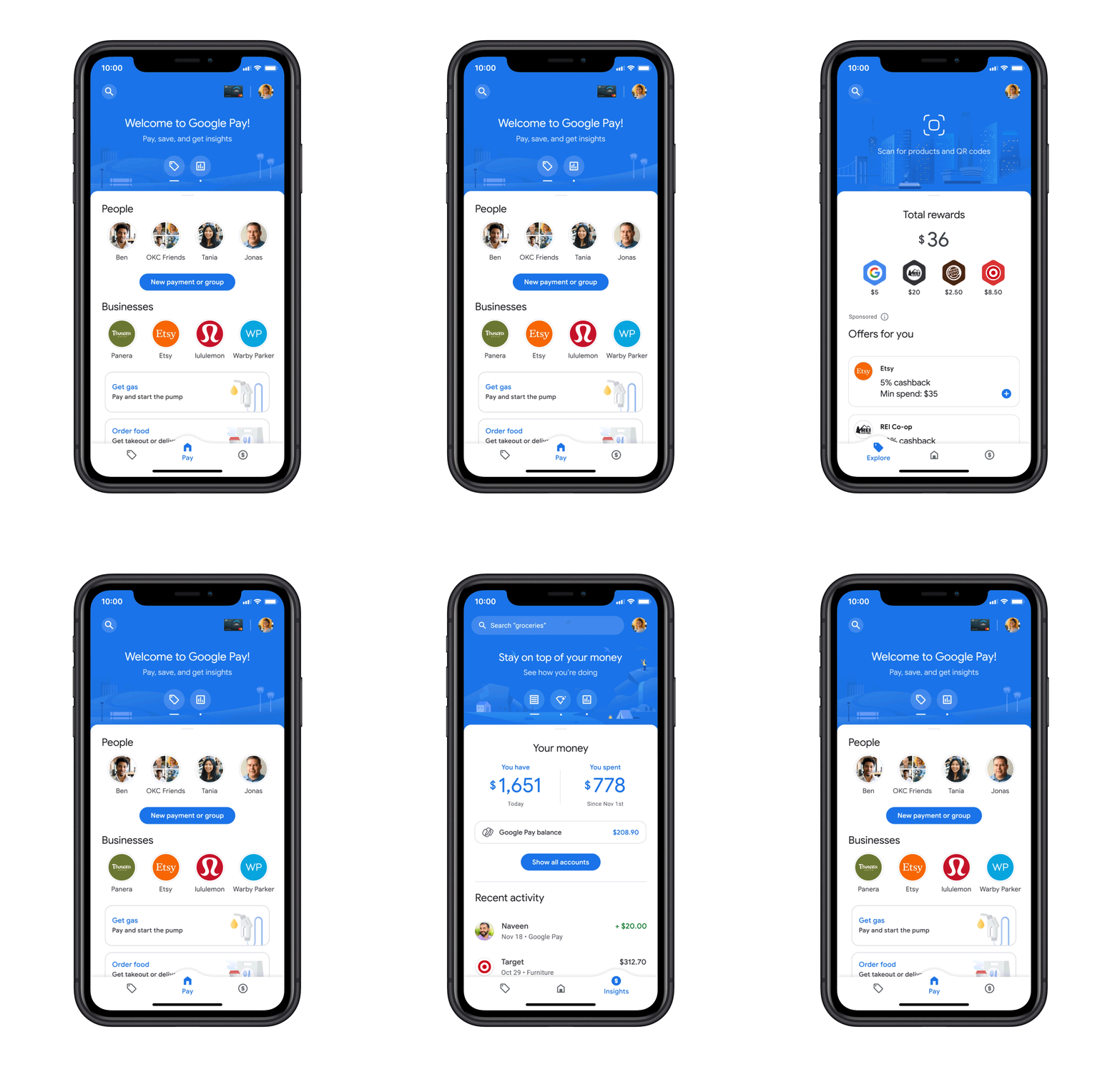
Like other digital wallets operating globally, Google Pay enables users to make transactions through NFC-enabled smartphones and smartwatches. By linking debit or credit cards to Google Wallet, users can tap their devices at contactless-ready terminals, or use the service for online and in-app payments.
The arrival of Google Pay is expected to accelerate contactless payment usage across the Philippines. Retailers, food establishments, transportation operators and other sectors already equipped with NFC terminals may see increased tap-to-pay transactions as more banks and fintechs join the platform through 2025.