

THE SHOCKER — When the inaugural Michelin Guide Philippines 2026 dropped its list of elite restaurants, giving coveted stars and Bib Gourmands to establishments in Metro Manila and Cebu, one name was noticeably absent from the top tier: Pampanga.
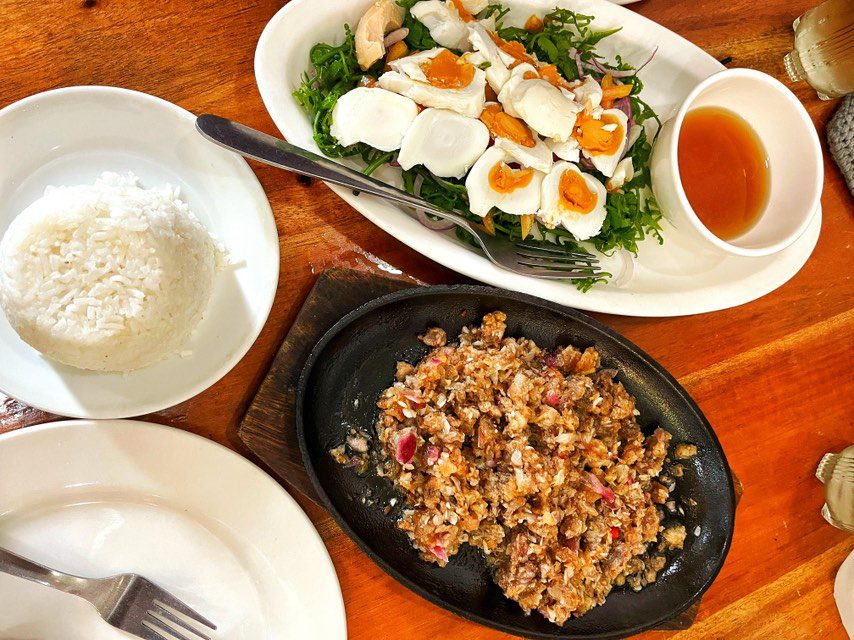
The omission of the province, renowned for its rich culinary heritage, has sparked a heated debate among foodies and chefs. How could the home of legendary sisig, bringhe, and tocino not land a single star?
We dug into the guide’s famously strict criteria to understand what happened.
The Two Big Reasons Pampanga Was Left Out
While the Michelin inspectors did scout the Pampanga area—it was part of the “Manila Environs” scope—the ultimate selections reveal a likely clash between the region’s beloved culinary traditions and the Guide’s global standards.
1. They Went for Metro vs. Regional, First
The first-ever Philippine Guide had a massive task: launch in a country overflowing with amazing food.
- The Initial Focus: The vast majority of the top awards (Stars and the budget-friendly Bib Gourmands) were concentrated in the high-density fine-dining hubs of Metro Manila and the key commercial center of Cebu.
- The Scope: While Pampanga, Tagaytay, and Cavite were inspected, the inaugural edition served as a strong statement about the contemporary fine-dining scene in the major cities. Regional explorations, though important, often take a backseat in the very first edition.
2. The Star Criteria Are Global, Not Just Local
The Michelin Star is not an award for the best traditional meal—it’s an award for the most outstanding cooking based on five universal criteria that apply from Tokyo to New York:
- Quality of ingredients
- Mastery of cooking techniques
- Consistency (across the menu and over time)
We Asked Gemini: Why would world-class Kapampangan food be overlooked? The core of the issue is that Michelin primarily rewards restaurants that execute a refined, modern, or inventive vision with extreme consistency. The traditional, sometimes rustic, and often family-run nature of many famous Kapampangan eateries may not align with the formal, high-concept execution inspectors are trained to seek for a Star.
Traditional Heart vs. Fine-Dining Form
Pampanga’s fame rests on authentic, soul-satisfying heritage dishes—the very cuisine people travel for. But the Star is often reserved for those who elevate or deconstruct that heritage into a precise, fine-dining experience.
- Refined vs. Hearty: Many of the world’s Michelin-starred restaurants feature multi-course tasting menus, flawless plating, and highly standardized service. This is a very different format from the classic, hearty, à la carte experience found in many of Pampanga’s well-loved institutions.
- The Consistency Challenge: Inspectors visit anonymously, often multiple times across different seasons. Maintaining the required level of perfection and consistency across every dish and every visit is exponentially harder for family-run establishments than for well-capitalized fine-dining concepts in the major metros.
The Bottom Line: Pampanga’s Greatness Is Undeniable
It is crucial to remember the Michelin Guide is not a comprehensive list of every amazing restaurant. It is a highly curated selection that meets a very specific set of criteria.
Pampanga’s title as the “Culinary Capital” is earned through generations of rich flavor and cultural heritage, and no French tire company’s guide can take that away.
The absence of a Star simply means that during the initial scouting phase, no restaurant in the region met the precise blend of culinary innovation, refinement, and consistency required by the anonymous inspectors. But with the guide now established, the pressure is on the next generation of Kapampangan chefs to step up and aim for that global recognition!