

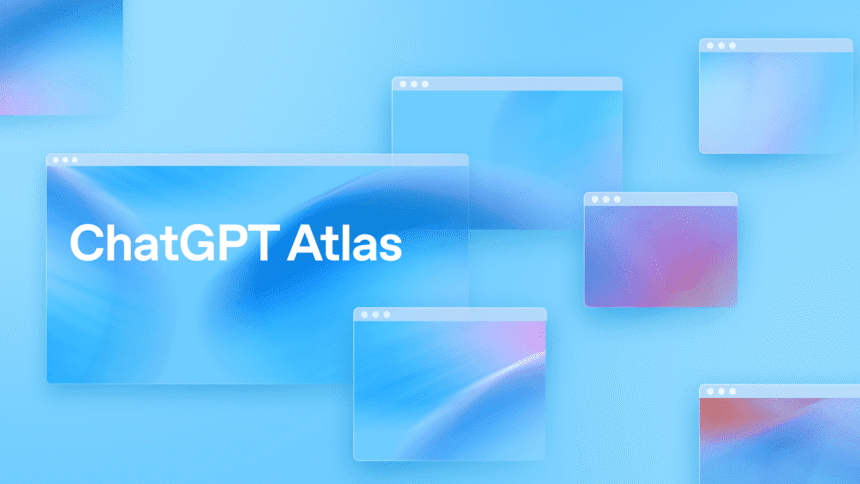
During a livestream on Tuesday, the company introduced ChatGPT Atlas, its first standalone browser designed to keep ChatGPT at the center of online experiences. While competitors like Perplexity’s Comet, Opera’s Neon, The Browser Company’s Dia, and General Catalyst-backed Strawberry have tried to reimagine search through AI, OpenAI’s move stands out for its reach: the company’s flagship chatbot already has over 800 million weekly users.
At launch, Atlas is available only on Mac, but Windows, iOS, and Android versions are already in the works. Unlike most rivals, OpenAI isn’t limiting access — anyone can download and use the browser immediately. The company’s pitch is simple: search less, ask more. Instead of scrolling through lists of links, users can type questions directly into the address bar and get AI-generated answers from ChatGPT.
“Tabs were great, but there hasn’t been a lot of innovation since then,” CEO Sam Altman said during the event. “We think AI represents a once-in-a-decade opportunity to rethink what a browser can be and how we use the web.”
Atlas aims to make ChatGPT the first stop for online queries — not Google. That strategy aligns with OpenAI’s broader goal of controlling how users access its technology. With tech giants like Meta recently cutting off third-party chatbots, including ChatGPT, from WhatsApp’s 3 billion users, OpenAI is betting on building its own distribution channels rather than depending on others.
The browser also comes with deeper integrations. Users can cite and reference websites directly in conversations with ChatGPT, and a hovering writing assistant appears across text fields to offer real-time help. Internally, OpenAI already uses a “headless browser” for its AI agent — now, Atlas brings that capability into users’ hands.
While it’s too early to tell whether Atlas will replace Chrome or Safari on people’s desktops, one thing’s clear: OpenAI isn’t just building tools for the web — it’s trying to own how we navigate it.